






The Latest
Designers Reveal the “Tackiest” Decorating Trends From Every Generation
No era is immune to regrettable design decisions.
Most people feel a sense of nostalgia for positive antiques and homey decor pieces that bring back memories of youth. But there are all other aspects of nostalgia: generational design trauma. This happens while the colors, materials or decorative patterns that dominated our upbringing end up so overexposed that seeing them nowadays makes us recoil. Whether it’s carpeted basements, glass-block showers, or endless greige walls, almost everyone can think of layout trends from their kids that they vowed would never enter their personal homes.
“Design trends are cyclical—each generation tends to react to the one before it,” says Brad Thornton, a New York-based clothing designer and founder of Thornton Projects. “Conservative appointments are pursued through expressive ones. Restraint allows room for extra. Periods advertised with herbal materials and gentle paperwork are regularly observed through appointments of comparison and design. This push and pull has been gambling out for many years.”
Designer Sasha Bikoff agrees, drawing on her own non-public delight in. “I’m a millennial, and so I grew up in a design industry with very little identity,” she says. “We had come from the glamor and maximalism of the 1980s into the minimalism of the 1990s, but often the interiors lent themselves to this transitional, caring aesthetic. white, I steer clear of anything that feels chalky, dull or too vanilla.”
In front, layout experts screen the ornamental features that any era could gladly leave behind within the past.
Baby Boomers
Born 1946–1964
GraphicaArtis
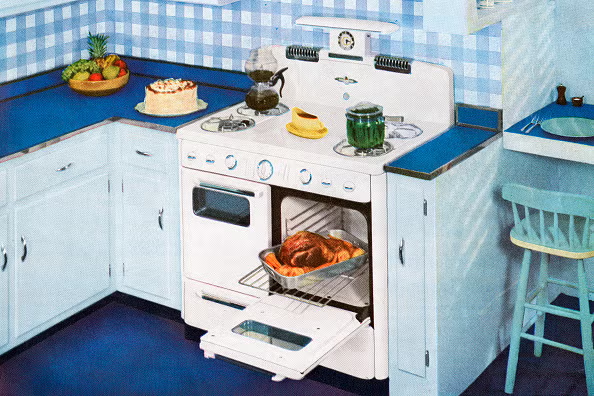
Baby boomers grew up in a medieval world of plastic, metal, and futuristic layout.
After growing up in the Mad Men technology, many members of this technology built rings of relative homes that gave the impression of The Brady Bunch.
“Baby boomers came of age here sometime in a postwar pastel wonderland with a heavy dose of mid-century optimism,”
Thornton says. “Baby blues, dusty pinks and plywood mixed with the metallics,
glossy oranges and hard plastics of field-era futurism. This duration gave us current icons like Verner Panton’s
Panton chair and bachelor-pad favorite Eames living room chair. The house, their first customers (and their television sets) combined. indecent TV trays).
“But as boomers aged into homeowners,
many gravitated back toward natural materials and earthy palettes, pushing in opposition to the synthetic options of the 1950s and early 1960s,” Thornton adds.
“But as boomers aged into homeowners, many gravitated back toward natural ingredients and earthy palettes, pushing in opposition to the artificial options of the Fifties and early 1960s,” Thornton adds.
Gen X
Born 1965–1980 getty
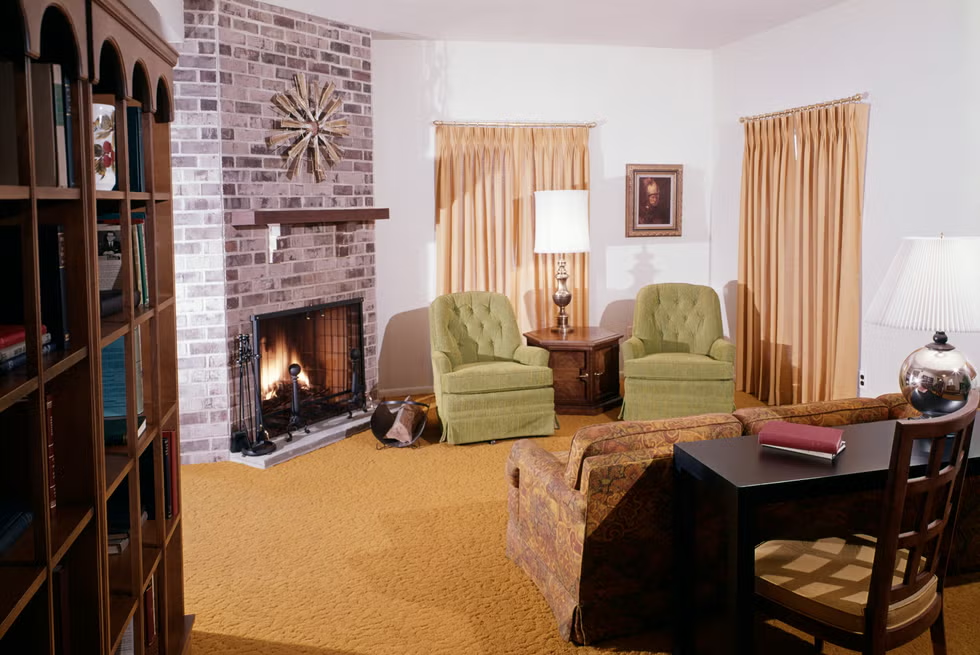
Gen Xers have been inundated with 1970s fashion earth tones by their youngsters.
When the latchkey kids of this generation let themselves into the house, they were surrounded through earth tones.
“Gold, rust and avocado dominated with wood paneling, mirrored surfaces and psychedelic styles as the main contributors,” says Thornton.
“Flowers decided their way into everything from kitchen tiles to wallpaper.
Wall-to-wall carpeting (often shag) invited humans to get cushty (and trapped the ever-present cigarette smoke).”
The shades of this particular technology are mocked to this day, apparel designer Becky Shea agrees.
“Gen X definitely moved away from some of the hallmarks of the infant boomer era: namely the saturated harvest tones of the 1970s:
burnt orange, avocado green and mustard yellow,” she says.
“These colors, while nostalgic for their dad and mom, felt dated and heavy to Gen Xers, who largely embraced larger muted, understated palettes in reaction —
think tender taupes, minimalist grays and deep, inky blues. It was a generational shift away from an earth-bound psychedelic grandeur. “
Related Story
Millennials
Born 1981–1996
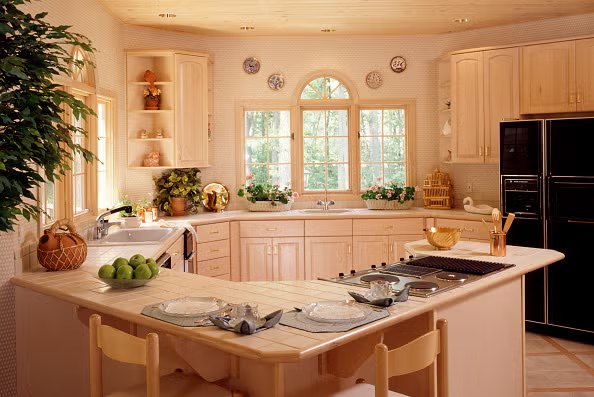
Millennials have roundly rejected the bold, in-your-face aesthetic of the late 1980s and early 1990s in favor of neutral, soothing aesthetics.
Having gone behind the gold bar and avocado-colored break up-level ranch houses of their youth, Gen Xers switched to McMansions when they became fathers and mothers themselves.
“Millennial childhoods coincided with a technology of financial prosperity where displays of wealth were nothing to be ashamed of,” says Thornton. “Extra of the bygone ’80s supported heavy curtains, lacquer and entertainment centers the size of a small vehicle. The early ’90s softened the look a bit but retained preference for continuing a sophisticated look.”
And the extra was not tied to simply the residential areas. “I even have sentences for you: Tuscan. Cuisine,” Thornton insists. “This McMansion favorite leaned into orange-toned wood, buttercream-colored faux finishes, and terracotta tiles.”
And when the Millennials grew up, they said goodbye to all that. “Millennials have a pretty strong aversion to the scary, kitschy colors that defined much of the late ’80s and early ’90s,” Shea says. “The loud, geometric, almost cartoonish layouts of the era feel chaotic compared to the calming, impartial environments that millennials generally tend to prefer today. In many ways, millennials rejected the visual noise of that era as an alternative, dampened, and more selective approach minimal earth tones For us, it’s less about making a noisy statement and more about developing areas that experience peaceful, grounded and real.”
Related Story
Gen Z
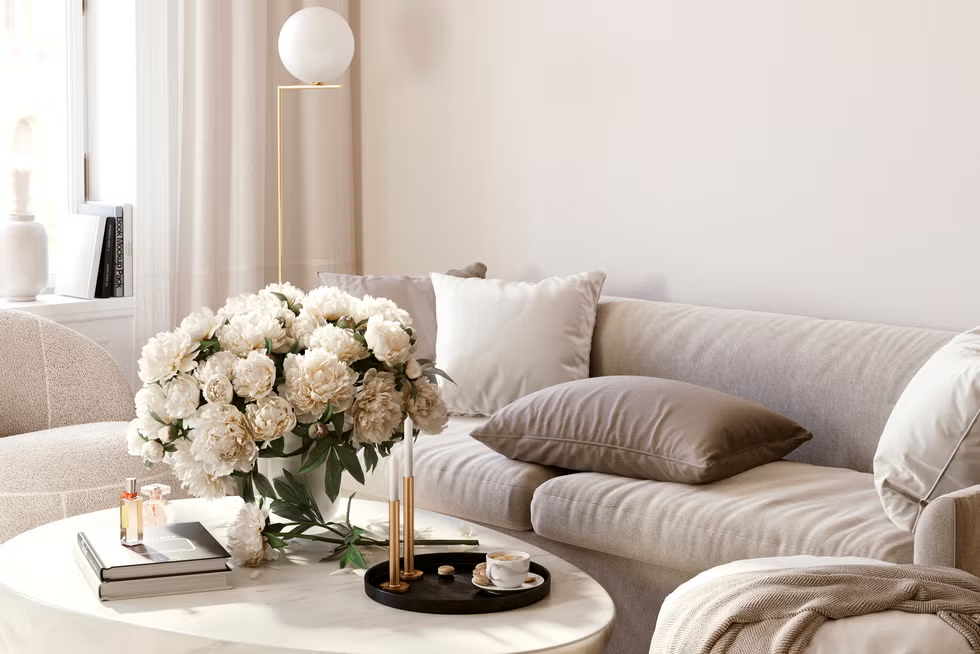
The minimalist interior design patterns that millennials saw as universally flattering are now rejected by Gen Z as bland and useless.
Born 1997–2010
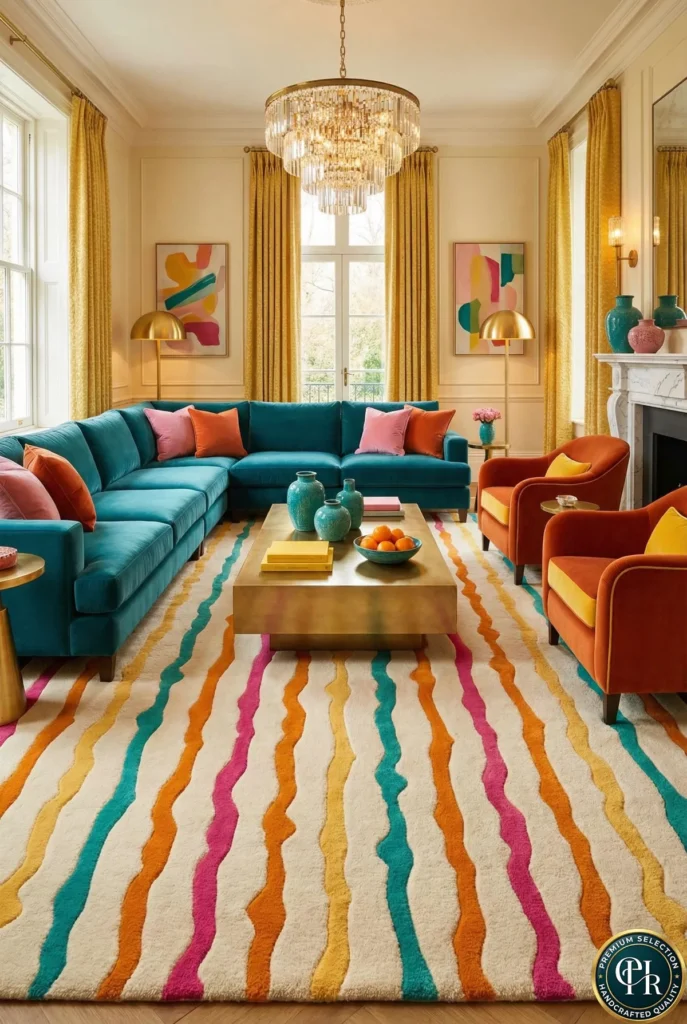
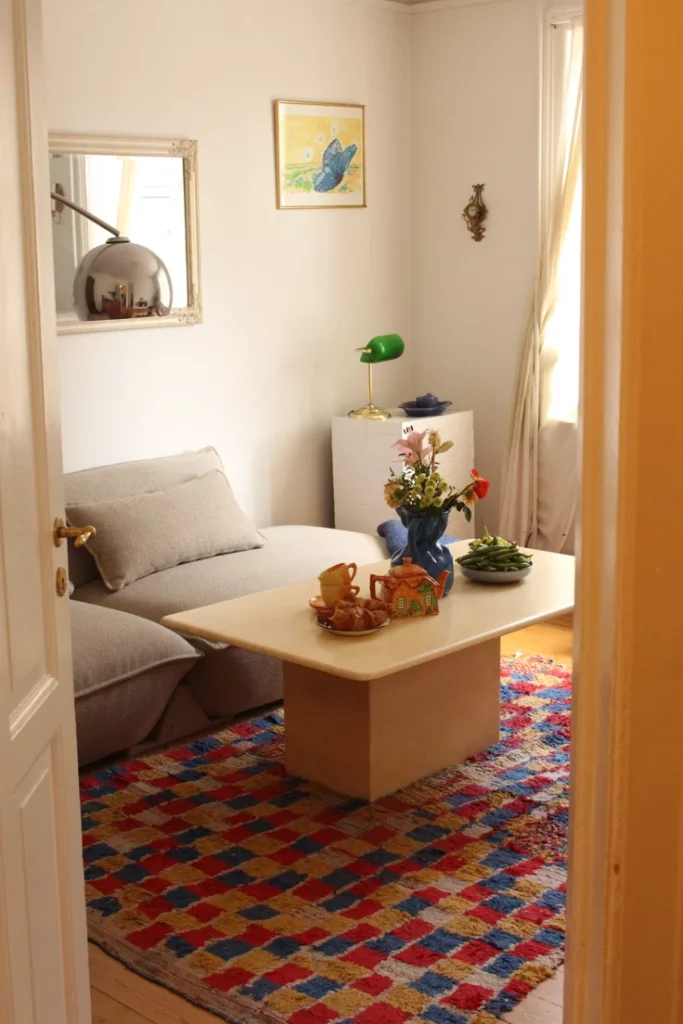
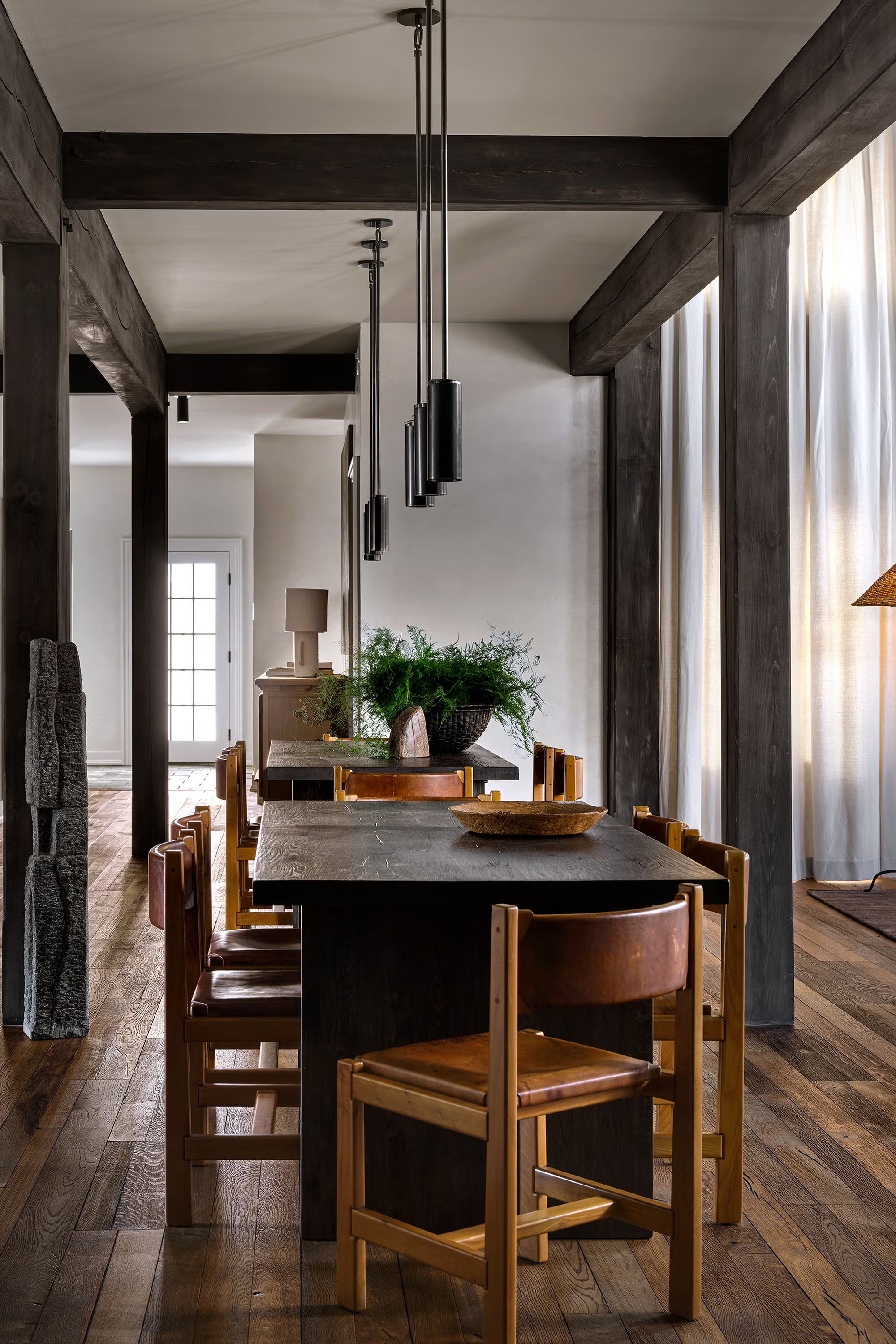
By the way, one time’s actually the next’s so dull that I lose life on the inside. “Gen Z was born right into a world of fifty pairs of greige,” says Thornton. “Somewhere along the way, we misplaced the plot, and brilliant white walls, gray vinyl floors, and farmhouse shiplap became synonymous for starter homes and mid-priced Airbnbs alike.Scandinavian minimalism, ashy light forests, and matte black exteriors had been everywhere, all the same. a preference for checkered patterns, deliberately quirky motifs, and hideous colors in excessive estimation.”
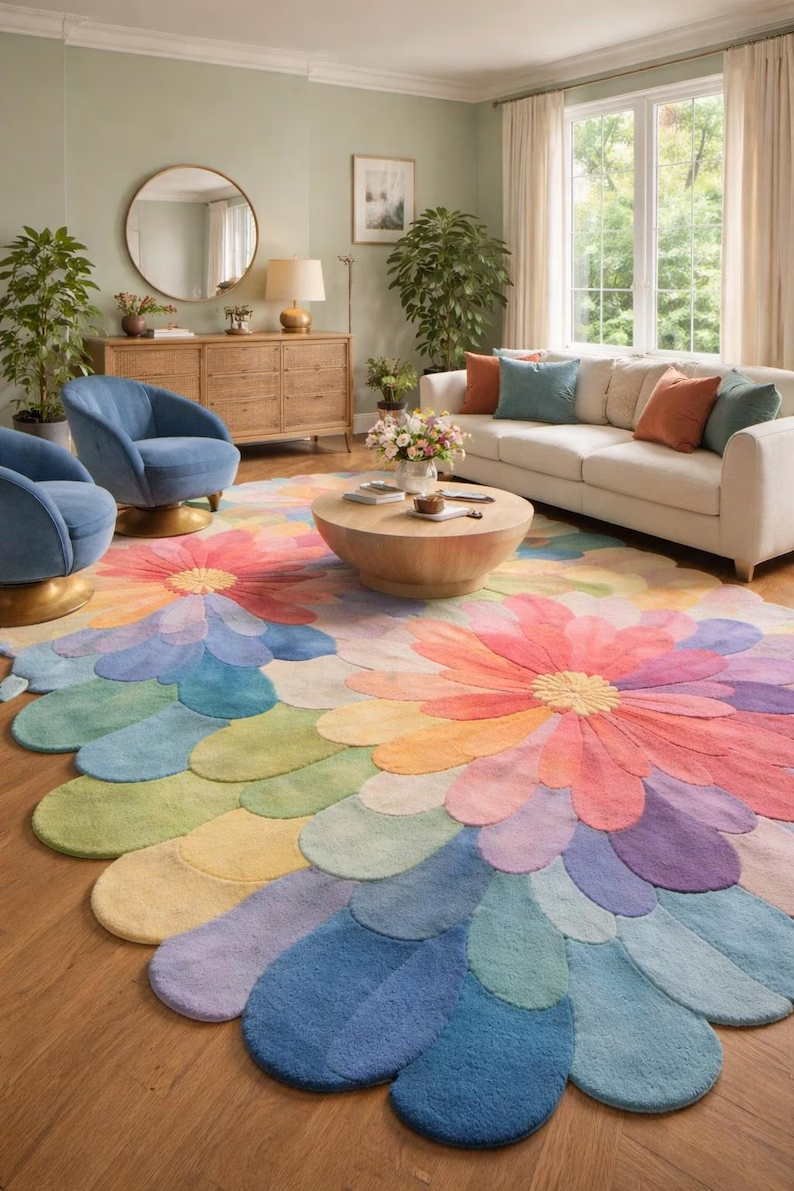
Shea knows what her generation turned to come from when she grew greige interiors that “while safe and impartial, often felt flat, sanitized and a bit useless,” she says. You should chalk it up as much as the monetary and geopolitical instability millennials got here of age in; gray felt like a warning palette, a way to play it safe in uncertain circumstances. But for Gen Z, it probably sounds bland, uninteresting, and creatively stifled. In assessment, Gen Z leans heavily into colorful colours, eclectic style and areas that experience private and expressive – a clear rejection of the muted minimalism that dominated the millennial era.”
Related Story
Gen Alpha
Born 2010–2024
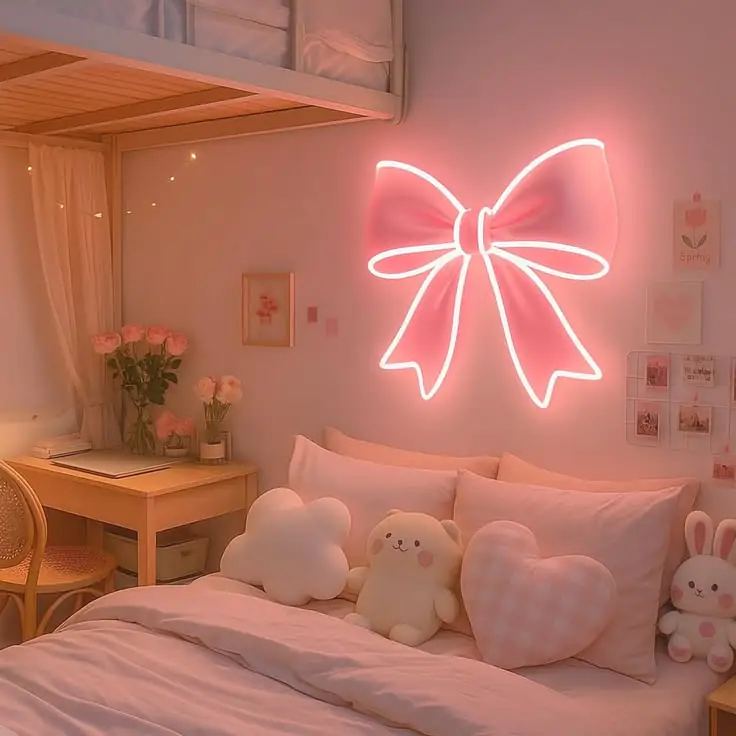
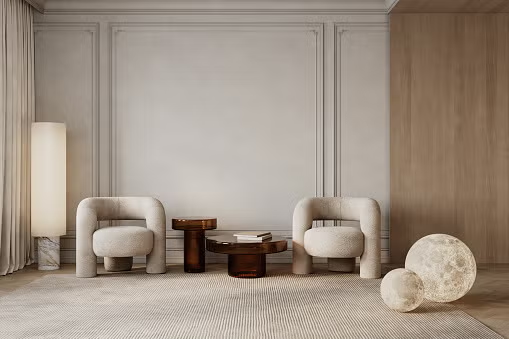
Time will tell which designs Gen Alpha will look like clichés – but something tells us that nowadays ubiquitous,
chunky furniture might be a major ick for them.The oldest members of Gen Alpha – now formally teenagers –
have already begun to criticize their parents’ design choices. According to designers,
this era is likely to strike back in opposition to the neutral, domestic aesthetic that emerged during the 2020 pandemic,
as a replacement that embraces a greater constructive and expressive layout technique as it continues to gain favor for speed.
“Emerging from quarantine to a culture enthusiastic about sharing home lifestyles online,
Gen Alpha is growing up in specially curated, gentle impartial spaces,
” says Thornton. “Modern alternatives lean closer to organic shapes and schemes that blend Japanese and Scandinavian influences.
Interiors draw from nature, with flawlessly imperfect pottery and paper lanterns.
Innocuous thermal neutrals such as beige, cream, sage, and red can be muted beautiful,
but will possibly appear as surprisingly characteristic of this particular period.’
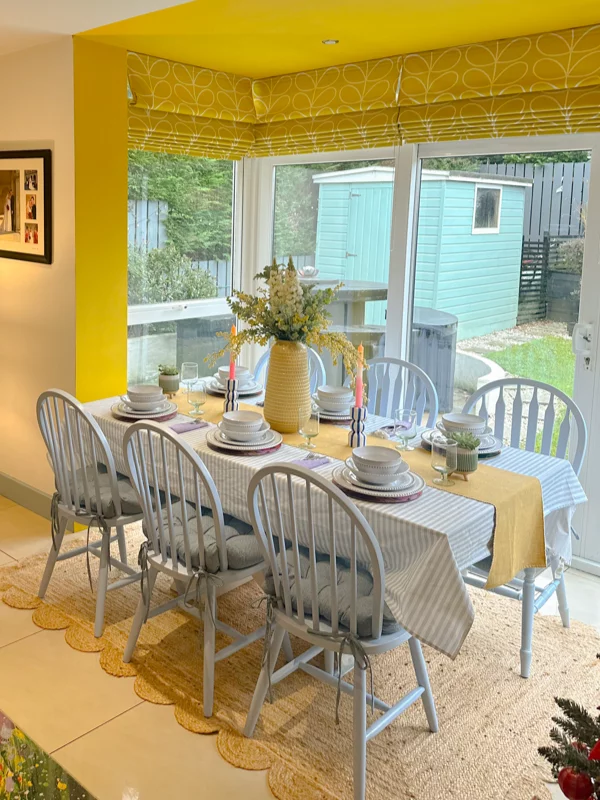
Shea envisions this generation extending the “more playful, expressive spirit of later Gen Z down into design. Colors like smooth yellows,
purples, and outrageous purples feel sparkling, happy, and approachable ,
a clean switch from the more muted, cautious palettes of earlier generations.”
She predicts that this individuality and expressiveness in design are here to stay.
“Even if Gen Alpha later moves closer to something new, they will possibly
realize that Gen Z helped break the door open for larger emotional, person-pushed areas,
” she says. “It signifies an important mental shift: design changes to much less approximately happing it safe, and extra approximately embrace